Pack like a pro for your interstate move with room-by-room strategies and techniques that prevent damage over long distances.
Moving from Miami to another state? You are not alone. Thousands of South Florida residents relocate interstate each year, whether heading to Atlanta, New York, or the West Coast. After helping over 2,000 families pack for long-distance moves from neighborhoods like Brickell, Coral Gables, and Kendall, we have learned what works and what leads to damaged belongings.
This guide covers everything from creating a solid packing plan to room-by-room strategies that actually protect your stuff. Whether you are handling this yourself or hiring professionals like Rapid Panda Movers, these methods will help your belongings survive hundreds or thousands of miles on the road.
What Makes Interstate Packing Different
Packing for an interstate move is a completely different game than boxing up for a local relocation. Your belongings will spend 1-5 days on a moving truck, experience constant road vibrations, and go through temperature swings. Items leaving Miami's humidity for Arizona's dry heat or New York's cold winters face additional stress.
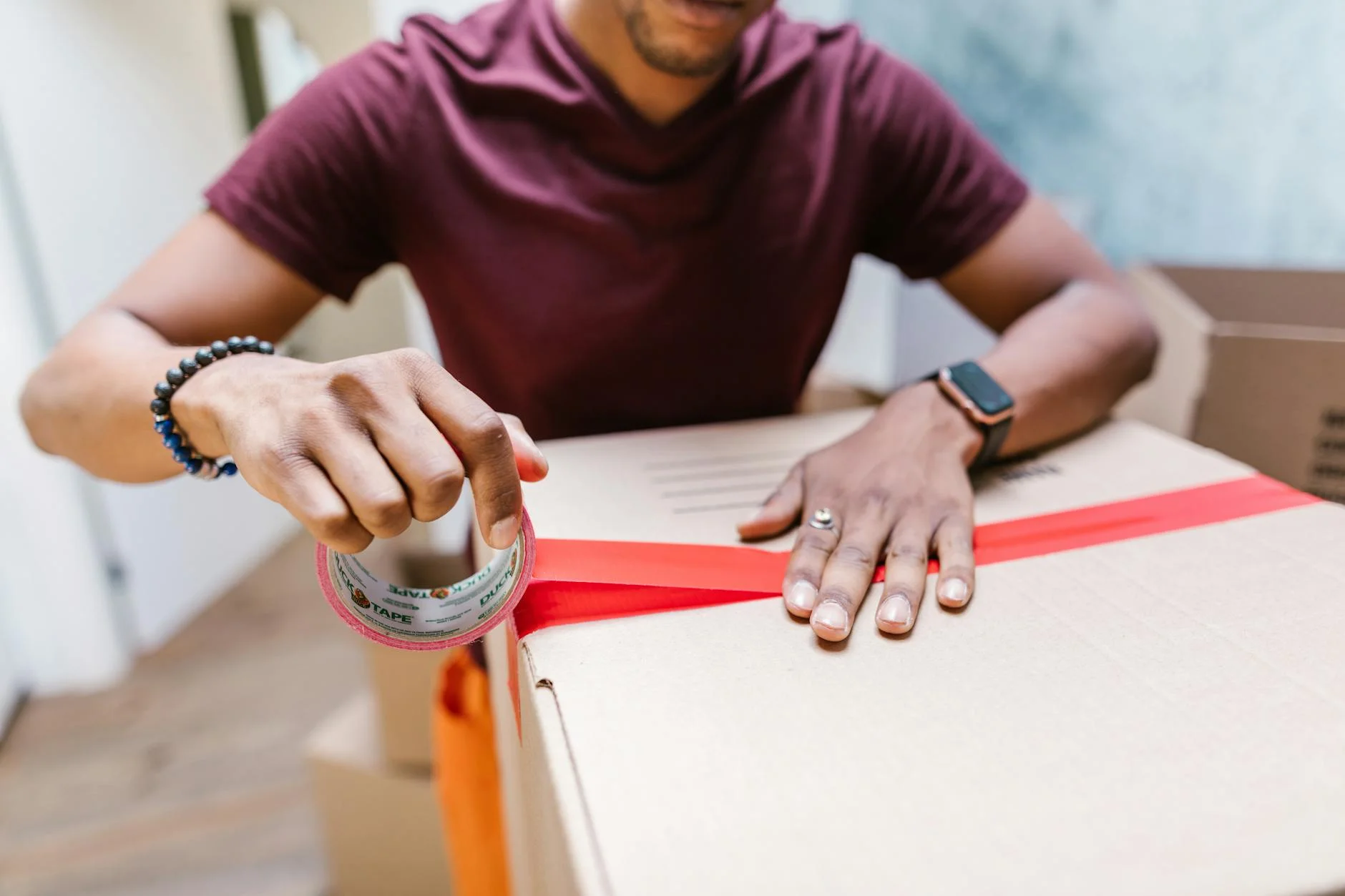
Here is the reality: a box that survives a 20-minute drive to a new Miami apartment can fall apart on a 3-day trip to Chicago. We have seen it happen. The cardboard weakens from humidity changes, tape loses adhesion, and items shift inside boxes that were packed too loosely.
Successful interstate packing requires three things local moves do not:
- 1More protective materials - Double-boxing fragile items, extra bubble wrap, and specialty containers
- 2Tighter box organization - No empty space for items to shift during the journey
- 3Detailed labeling - So you and the movers know exactly how to handle each box
Before You Start Packing: Essential Prep Work
Take Inventory of Everything
Walk through every room with your phone and photograph what you own. Create a simple spreadsheet listing items by room, estimated value, and whether they need special handling. This inventory serves three purposes:
- 1Insurance documentation if anything gets damaged
- 2A packing checklist so nothing gets left behind
- 3A tool for deciding what is worth moving 1,000+ miles
Declutter Before You Pack
Interstate moves are priced by weight and volume. Every box you eliminate saves money. Be honest with yourself about what deserves a spot in the moving truck.
Ask yourself: Have I used this in the past year? Would I buy it again? Is it cheaper to replace than to move? That old futon from college or the exercise bike collecting dust might not be worth the $50-100 it costs to transport across state lines.
Gather Your Packing Supplies
Stock up on materials before packing day arrives:
- 1Boxes in multiple sizes - Small boxes for heavy items like books, large boxes for lightweight items like linens
- 2Dish-pack boxes - Thick corrugated boxes with cell dividers for glassware and dishes
- 3Wardrobe boxes - Let you transfer hanging clothes directly from the closet
- 4Heavy-duty packing tape - At least 2-3 rolls per room
- 5Bubble wrap and packing paper - Skip newspaper; the ink transfers to items
- 6Permanent markers - For labeling every single box
Create a Realistic Timeline
For a full household, start packing non-essential items 6-8 weeks before your move date. Here is a typical schedule:
- 16-8 weeks out: Pack seasonal items, guest room, storage areas, garage
- 24-5 weeks out: Pack books, collectibles, artwork, rarely used kitchen items
- 32-3 weeks out: Pack most of each room, leaving only daily essentials
- 4Final week: Pack everyday items, prepare essentials box, clean emptied rooms
Room-by-Room Packing Guide
Bedroom: Set Yourself Up for a Comfortable First Night
Clothing strategies:
- 1Roll clothes instead of folding to save space and reduce wrinkles
- 2Use vacuum-seal bags for off-season items and bulky bedding
- 3Pack shoes in original boxes or wrap pairs together to prevent scuffing
- 4Leave a few outfits out until moving day
Mattress protection:
Invest in a quality mattress bag with a zipper seal. Miami's humidity can cause mold growth on unprotected mattresses during transit. Seal the bag with tape at the zipper for extra protection.
Furniture prep:
Disassemble bed frames and headboards. Put all screws and hardware in a labeled plastic bag and tape it directly to the furniture piece. Wrap wooden furniture in moving blankets to prevent scratches.
Kitchen: The Most Challenging Room
The kitchen takes the longest to pack and has the highest breakage rate. Take your time here.
Dishes and glassware:
- 1Wrap each piece individually in packing paper
- 2Place plates vertically (like records) rather than stacked flat
- 3Fill glasses with crumpled paper, then wrap the outside
- 4Use dish-pack boxes with cell dividers when possible
- 5Mark these boxes "FRAGILE - THIS SIDE UP"
Small appliances:
Original boxes are ideal. If you do not have them, wrap each appliance in bubble wrap and place in a box with crumpled paper filling any gaps. Tape cords to appliance bodies so they do not get lost.
Pantry items:
Only move sealed, non-perishable items. Open containers can spill and attract pests. Donate or use up anything opened. Consider the cost-benefit: is it worth moving $20 of rice and pasta across the country, or should you donate and buy fresh?
Living Room: Electronics and Furniture
Television and electronics:
Original boxes with styrofoam inserts are best. Without them, wrap screens in moving blankets, not bubble wrap (the bubbles can leave marks). Place TVs upright, never flat, in the truck.
Furniture protection:
- 1Remove legs from tables when possible
- 2Cover upholstery with plastic wrap or old sheets
- 3Use furniture pads or moving blankets on wooden surfaces
- 4Wrap glass tabletops separately and transport vertically
Artwork and mirrors:
Use picture boxes or build custom cardboard protection. Place masking tape in an X pattern across glass to prevent shattering and make cleanup easier if it does break.
Bathroom: Quick but Important
Pack bathroom items last since you will need them until the final morning.
Medicine cabinet:
Toss expired medications (pharmacies often accept old prescriptions for disposal). Pack current medications in your personal essentials bag, not the moving truck.
Toiletries:
Seal any liquids in plastic bags. Bottles can leak during pressure changes. Pack towels around toiletry boxes for extra cushioning.
Garage and Outdoor Items
Power tools and lawn equipment:
Drain all fluids before moving. Many moving companies will not transport items with gasoline or oil. Wrap sharp tools in thick cloth and tape the wrapping in place.
Patio furniture:
Clean and dry all outdoor furniture. Disassemble what you can. Stack chairs and wrap in moving blankets or plastic wrap.
Special Items That Need Extra Attention
Antiques and Collectibles
These items need custom packing solutions. Double-box antiques with 2-3 inches of cushioning between the inner and outer boxes. Consider having a professional packing service handle genuinely irreplaceable items.
Jewelry and Important Documents
Never put these in the moving truck. Transport jewelry, birth certificates, passports, financial documents, and family photos yourself. Keep them in a secure bag that stays with you throughout the move.
Large Appliances
Refrigerators: Defrost 24-48 hours before the move. Clean interior and leave doors slightly open to prevent mold. Secure doors with tape or rope during transport.
Washers: Turn off water supply, disconnect hoses, and secure the drum. Many manufacturers provide shipping bolts for this purpose.
Packing Tips That Make a Real Difference
Label Everything Thoroughly
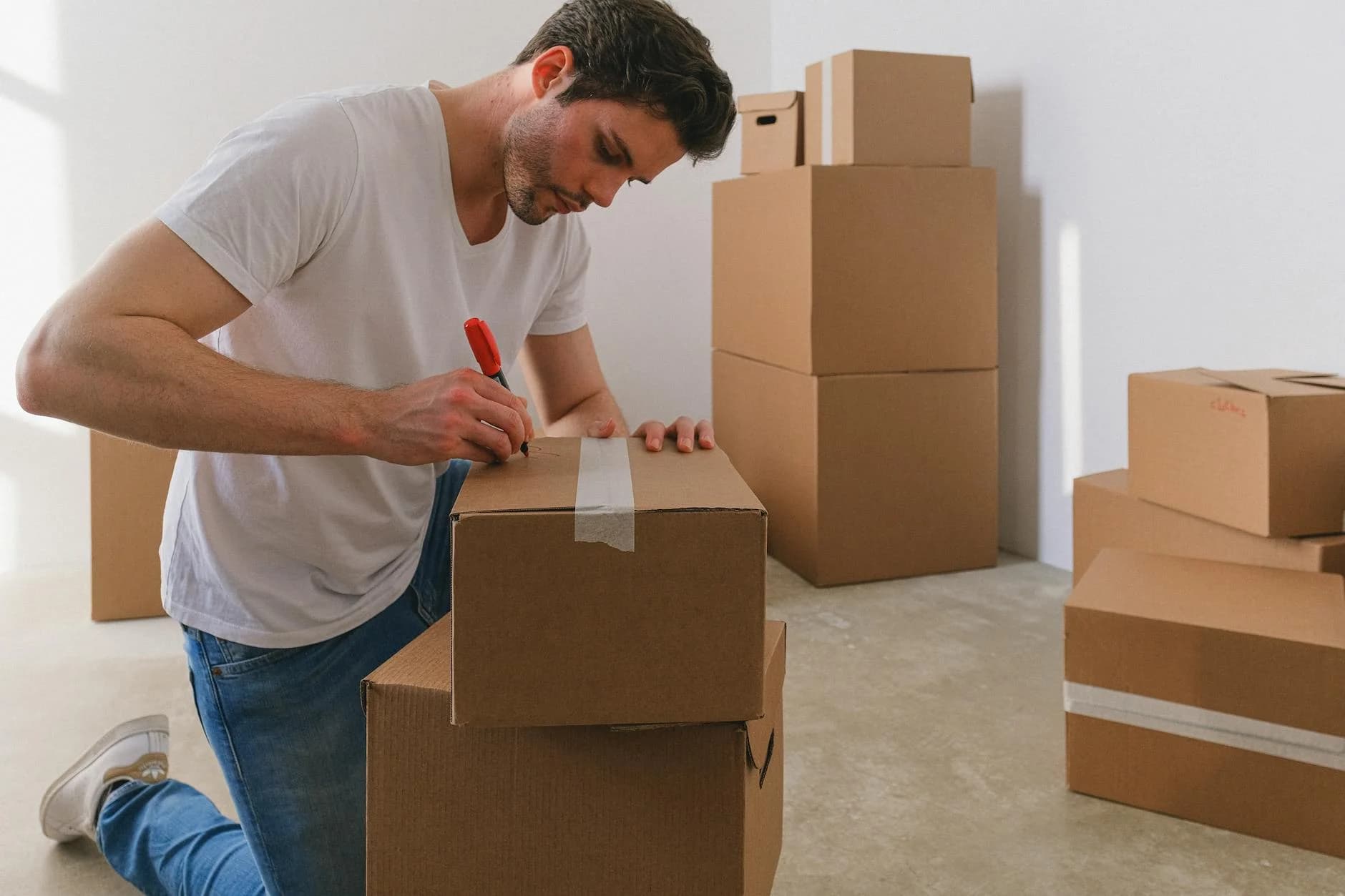
Write on at least two sides of every box:
- 1Room destination (Kitchen, Master Bedroom, etc.)
- 2General contents (Pots and pans, Winter clothes, etc.)
- 3Handling instructions (Fragile, This Side Up, Open First)
Use different colored tape or markers for each room. This speeds up unloading dramatically.
Pack Your "Open First" Box
This box travels with you in your car and contains everything you need for the first night:
- 1Toilet paper and hand soap
- 2Phone chargers
- 3Basic tools (screwdriver, hammer)
- 4Sheets and pillows for one bed
- 5Change of clothes for each person
- 6Toiletries
- 7Snacks and bottled water
- 8Pet supplies if applicable
- 9Important documents
Fill Every Box Completely
Half-filled boxes collapse when stacked. They also allow contents to shift and break. Fill gaps with packing paper, towels, or clothing. If a box feels too heavy when full, it is the wrong size for those items.
Benefits of Professional Packing Services
Hiring experienced movers for your interstate packing provides several advantages:
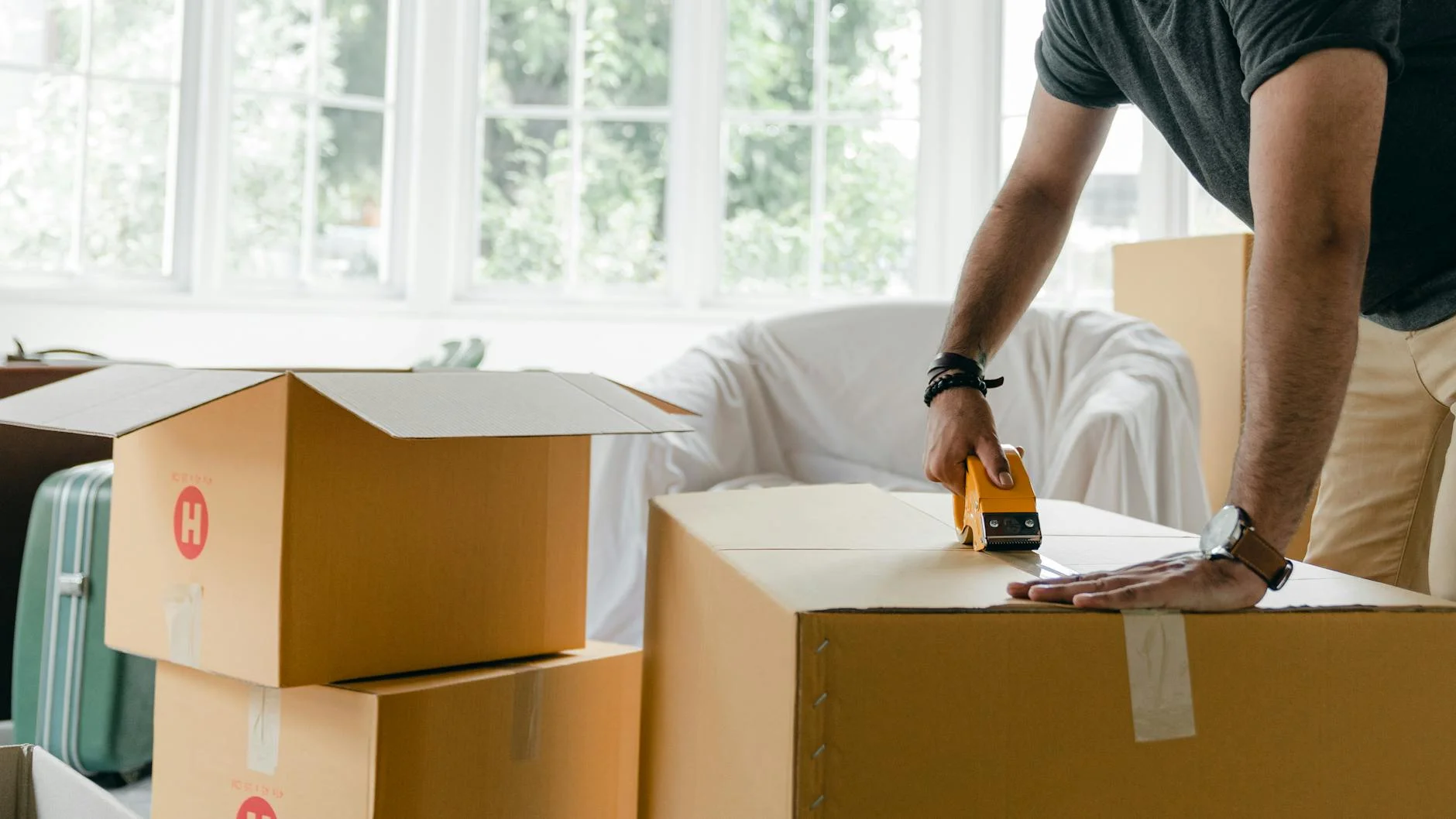
- 1Expertise with fragile items: Professional packers handle delicate, bulky, and valuable items daily and know the best techniques for each
- 2Commercial-grade materials: Access to specialty containers, custom crating, and protective materials not available at retail stores
- 3Insurance protection: Professional packing often qualifies for full-value protection coverage
- 4Significant time savings: A trained crew can pack an entire 3-bedroom home in one day
- 5Reduced damage risk: Proper techniques dramatically lower the chance of transit damage
DIY vs. Professional Packing: Making the Right Choice
DIY packing makes sense when:
- 1You have plenty of time before the move
- 2You want to control exactly how items are packed
- 3Budget is the primary concern
- 4You have minimal fragile or valuable items
Professional packing makes sense when:
- 1You are short on time
- 2You have extensive fragile, valuable, or antique items
- 3You want full insurance coverage
- 4Work or family obligations limit your availability
What to Expect from Rapid Panda Movers
When you hire us for your packing services, here is how it works:
- 1Free in-home estimate: We assess your home, discuss special items, and provide a transparent quote
- 2Custom packing plan: A tailored approach based on your inventory, timeline, and budget
- 3Professional crew: Trained packing specialists who treat your belongings with care
- 4Quality materials included: High-grade boxes, tape, bubble wrap, and specialty containers
- 5Systematic labeling: Every box marked by room and contents for efficient unpacking
Frequently Asked Questions
How far in advance should I start packing for an interstate move?
For a full household, start packing non-essential items 6-8 weeks before your move date. Begin with rarely used rooms like guest bedrooms, storage areas, and seasonal items. Leave everyday essentials for the final week.
What items cannot go on a moving truck?
Moving companies cannot transport hazardous materials including propane tanks, gasoline, paint, aerosols, ammunition, fireworks, and perishable foods. Plan to use up, give away, or properly dispose of these items before moving day.
How much does professional packing cost for an interstate move?
Professional packing for a 3-bedroom home typically ranges from $500-$1,500 depending on the volume of items and special requirements. Most families find the time savings and reduced damage risk worth the investment, especially for long-distance moves.
Should I pack my own clothes or have movers do it?
Wardrobe boxes make it easy for movers to transfer hanging clothes directly from your closet. For folded items, you can save money by packing these yourself. Movers can handle everything if you prefer a completely hands-off experience.
How do I protect electronics during an interstate move?
Original boxes with styrofoam inserts are ideal. Without them, wrap electronics in moving blankets (not bubble wrap for screens), use plenty of cushioning material, and transport items upright. Back up all data before the move.
Related Services
Depending on your interstate moving needs, you might also consider:
- 1Packing Services - Full-service packing for your entire home
- 2Long Distance Moving - Complete interstate relocation solutions
- 3Storage Solutions - Short or long-term storage during your transition
Ready to Start Your Interstate Move?
Moving to a new state is a significant transition. Getting your packing right sets the foundation for everything that follows. Whether you tackle it yourself or bring in professionals, the strategies in this guide will help protect your belongings across every mile.
Request your free quote today and discover why families across South Florida trust Rapid Panda Movers for their interstate relocations.
Have questions about packing for your upcoming move? Contact us or read our customer reviews to see what others say about our packing services.