Protect your wine investment during a Miami move with climate-controlled transport tips and heat damage prevention.
Moving a wine collection in Miami presents unique challenges that wine enthusiasts elsewhere rarely consider. With average summer temperatures hovering around 90°F and humidity levels often exceeding 80%, even a short exposure during transport can turn prized vintages into expensive vinegar. Here's everything you need to know to protect your wine investment during a Miami relocation.
Understanding Miami's Heat Threat to Wine
Wine is remarkably sensitive to temperature fluctuations. The ideal storage temperature ranges from 45°F to 65°F, with 55°F being optimal for long-term aging. When wine is exposed to temperatures above 70°F, chemical reactions accelerate, causing premature aging. Above 80°F, the wine can begin to "cook," developing off-flavors and aromas that permanently damage its character.
Miami's climate creates a perfect storm for wine damage. During summer months, temperatures inside a parked moving truck can exceed 140°F within an hour. Even brief exposure during loading and unloading can shock bottles enough to affect quality. This makes proper planning essential for any wine collection move in South Florida.
Climate-Controlled Transport Options
The most reliable way to move wine in Miami is through climate-controlled transport. Several options exist depending on your collection size and value:
Dedicated wine transport services specialize in moving collections of all sizes. These companies use refrigerated vehicles maintained at cellar temperatures and employ crews trained specifically in wine handling. For collections exceeding 100 bottles or containing rare vintages, this investment provides invaluable peace of mind.
Climate-controlled moving trucks offer a middle-ground solution. Many professional moving companies operate temperature-controlled vehicles that maintain consistent conditions throughout transport. While not specifically designed for wine, these trucks protect against Miami's extreme heat effectively.
Personal vehicle transport works for smaller collections if your car has strong air conditioning. Keep bottles in the backseat rather than the trunk, and never leave them unattended in a parked vehicle.
Proper Wine Box Packing Techniques
How you pack your wine matters as much as how you transport it. Follow these techniques to maximize protection:
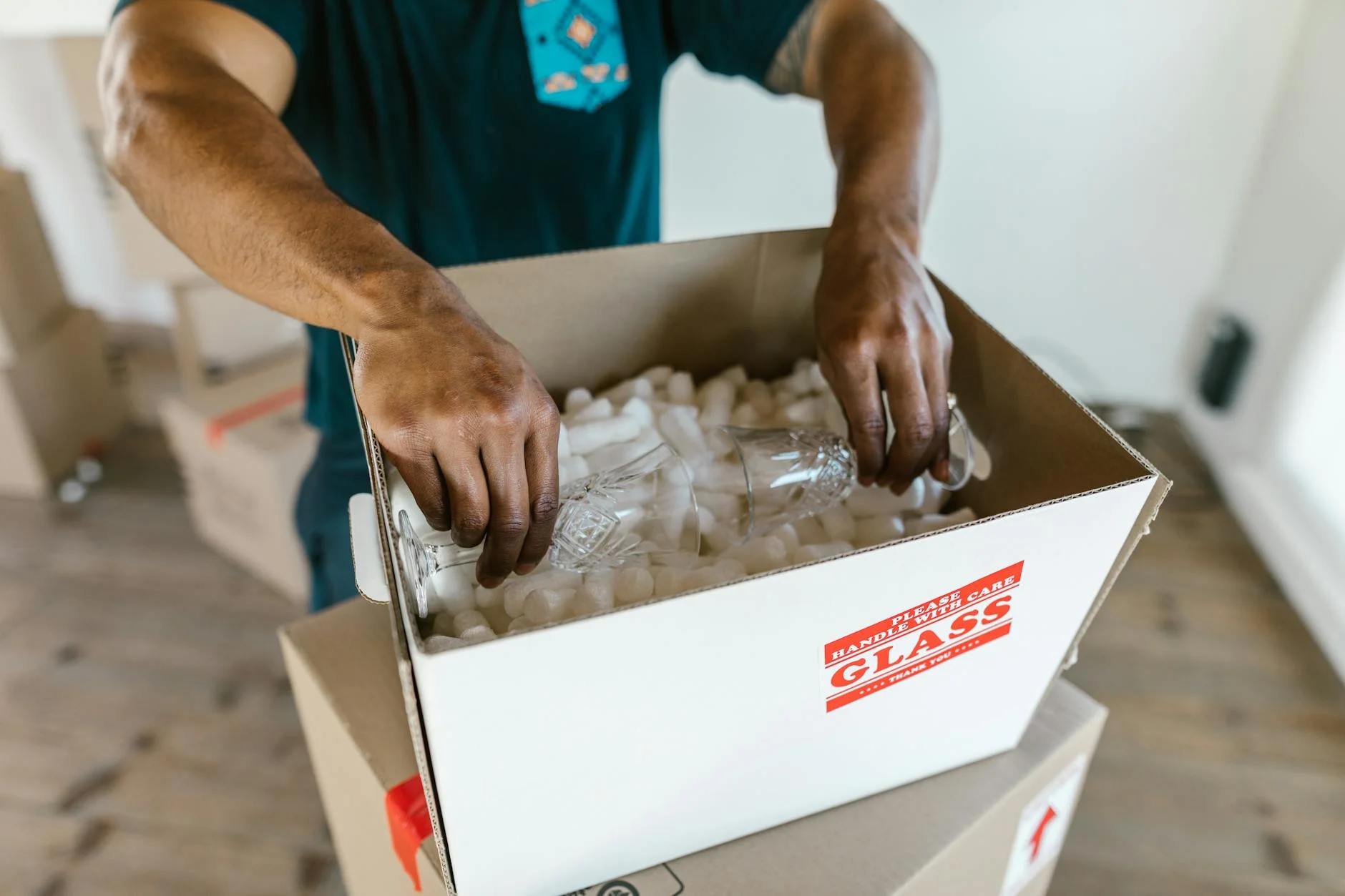
Use specialized wine boxes with cell dividers that keep bottles separated and cushioned. Generic boxes allow bottles to shift and potentially break during transport. Wine shippers use styrofoam or molded pulp inserts that provide both impact protection and thermal insulation.
Wrap each bottle individually in bubble wrap or packing paper, paying extra attention to the neck where glass is thinnest. For valuable bottles, consider double-wrapping with an inner layer of tissue paper to prevent label damage.
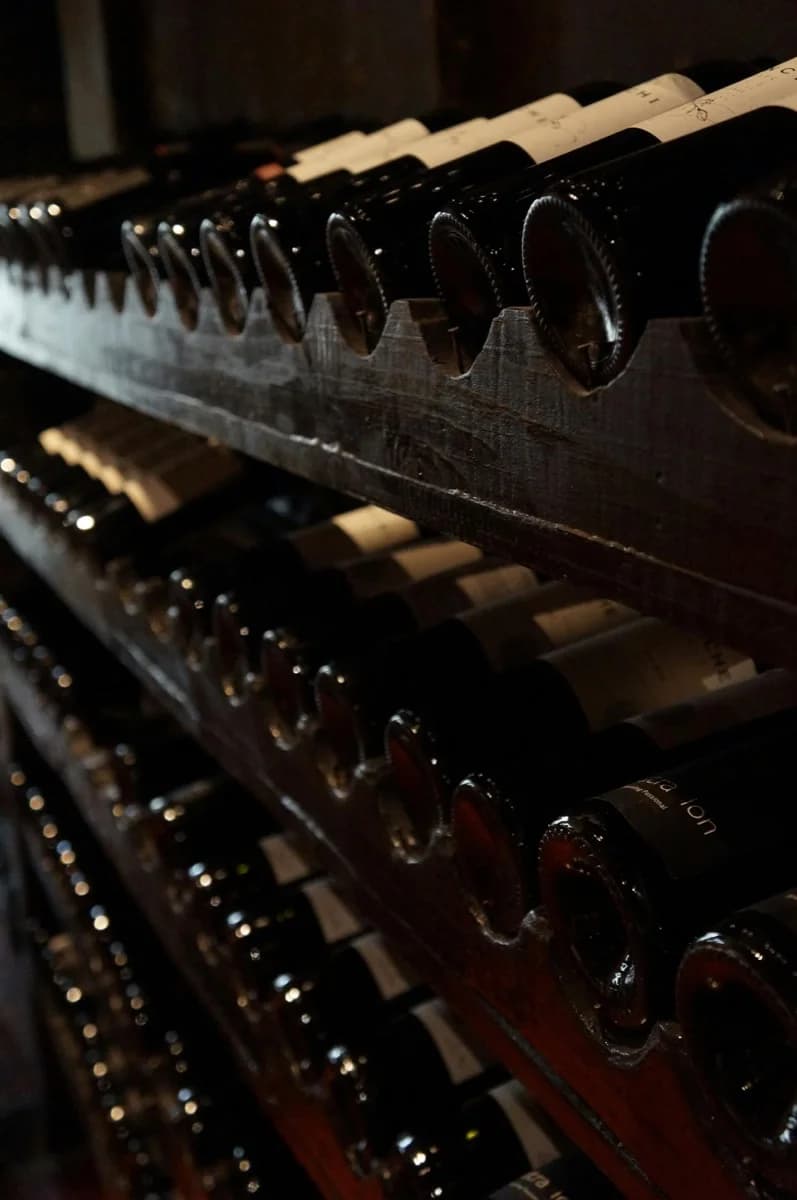
Pack bottles horizontally to keep corks moist and prevent air from entering. Dry corks can shrink and allow oxygen to spoil the wine. For short moves under an hour, upright positioning is acceptable if bottles have been stored properly beforehand.
Add insulating materials like styrofoam sheets or reflective insulation around the outside of boxes. This creates an additional barrier against heat intrusion and buys extra time during loading and unloading.
Timing Your Move for Cooler Conditions
Strategic scheduling dramatically reduces heat exposure risk:
Move early in the morning when temperatures are lowest. Plan to complete all wine transport before 10 AM during summer months. This often means scheduling wine as the first items loaded and last unloaded.
Avoid summer months entirely if possible. Miami's coolest temperatures occur from December through February, making winter the safest time for wine collection moves. If you must move during summer, consider temporary storage for your wine until cooler weather arrives.
Check weather forecasts and avoid moving during heat waves. Even a few days' delay can mean the difference between temperatures in the mid-80s versus upper 90s.
Insurance Considerations for Valuable Collections
Standard moving insurance often excludes wine or provides minimal coverage. Before your move, take these steps:
Document your collection thoroughly with photographs, purchase receipts, and professional appraisals for valuable bottles. This documentation proves crucial if you need to file a claim.
Verify your mover's coverage specifically addresses wine and alcohol transport. Many policies exclude these items entirely or cap reimbursement at nominal amounts.
Consider specialized wine insurance through providers like Chubb or AXA Art, who understand wine valuation and offer appropriate coverage levels. For collections worth more than $10,000, dedicated insurance provides essential protection.
Wine Storage Facility Options in Miami
Miami offers several professional wine storage facilities that can serve as temporary homes for your collection during a move:
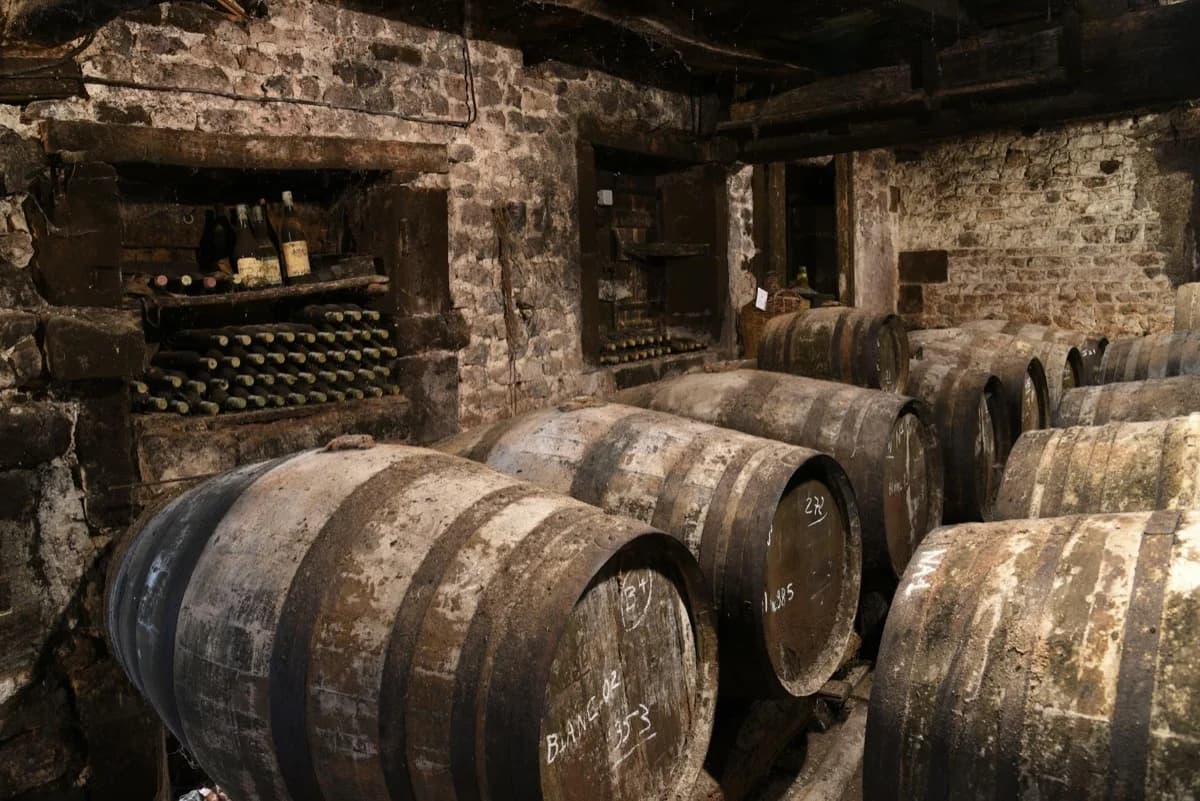
Local wine storage facilities typically maintain temperatures between 55°F and 58°F with humidity levels around 70%. Monthly fees range from $15 to $50 per case depending on facility amenities and location. Many offer pick-up and delivery services, simplifying logistics.
Using professional storage during your move eliminates the risk entirely. Move your wine to storage before your household move, then transport it to your new home once your wine refrigerator or cellar is operational and stabilized.
Protecting Wine During the Transition Period
The transition between your old and new homes creates the highest risk period:
Have your wine storage ready at your new location before the wine arrives. Whether it's a wine refrigerator, cellar, or closet conversion, the space should be at proper temperature for at least 24 hours before receiving bottles.
Minimize handling by planning the exact placement of wine boxes in advance. Every minute bottles spend outside climate control increases heat exposure.
Allow bottles to rest for at least a week after transport before opening. Temperature fluctuations can temporarily disturb wine, and rest allows it to recover.
Signs of Heat Damage to Watch For
After your move, inspect your collection for these warning signs:
Pushed corks indicate wine expanded from heat, forcing the cork partially out of the bottle. This allows oxygen to enter and typically means the wine is compromised.
Sticky residue around the capsule suggests wine leaked past the cork during heat exposure. Even if the cork appears seated properly, the seal may be damaged.
Cloudy appearance in wines that were previously clear can indicate heat-induced protein precipitation or other chemical changes.
Off-odors when you eventually open bottles, particularly cooked, stewed, or burnt notes, confirm heat damage occurred during transport.
Ready to Move Your Wine Collection Safely?
Moving a wine collection in Miami requires careful planning, but with proper preparation, your prized bottles can arrive at your new home in perfect condition.
Request a free quote from Rapid Panda Movers today to discuss climate-controlled transport options for your wine collection. Our team understands the unique challenges of moving valuable items in Miami's heat and can customize a solution that protects your investment.
Check out our packing services for professional assistance with specialty items like wine collections, and read our reviews to see why Miami wine enthusiasts trust us with their most precious bottles.