Moving a gun safe through narrow doorways or up stairs? Learn the equipment, techniques, and safety precautions professional safe movers use.
A gun safe is one of the heaviest single objects in most homes. Even a mid-size residential model weighs 500 to 800 pounds, and larger safes can exceed 2,000 pounds. Getting one through a 32-inch doorway or up a flight of stairs requires specific equipment, real technique, and an honest assessment of what the building can handle.
Start by Measuring Everything
Before anything moves, measure three things: the safe, every doorway and hallway it needs to pass through, and the staircase if one is involved.
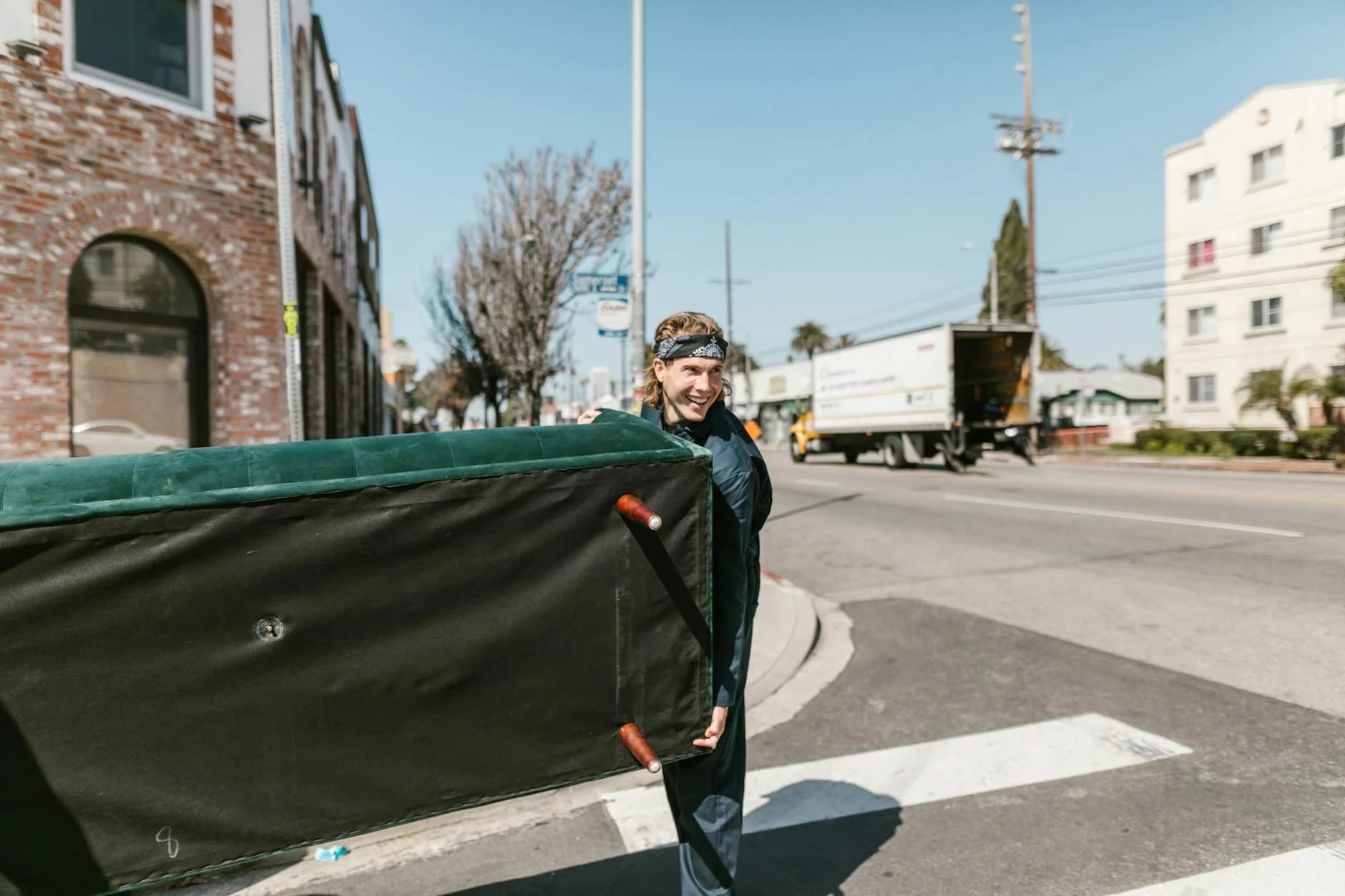
Most interior doorways are 30 to 32 inches wide. Standard hallways run 36 inches. A typical residential gun safe is 28 to 36 inches wide and 24 to 30 inches deep. If the safe is wider than the doorway, you will need to remove the safe door (which can shave off 2 to 4 inches of width) or remove the house door and its hinges from the frame.
For staircases, measure the width between walls or railings, the ceiling height at the top and bottom of the stairs, and any turns or landings. A 90-degree turn on a staircase landing is often the single biggest obstacle. Sketch the path on paper and note every pinch point before moving day.
Weight and Floor Load Limits
A 600-pound safe concentrated on a hand truck puts enormous point pressure on stair treads. Standard residential stairs are built to handle about 40 pounds per square foot of live load, which is fine for foot traffic but marginal for a safe resting on a single step. Older homes and wooden stairs need extra caution.
Professional movers use plywood sheets to distribute weight across multiple treads when pausing on a staircase. This prevents cracking treads and protects carpet or hardwood from gouging.
The Right Equipment
Moving a gun safe without the right tools is how people get hurt. Here is what professionals use:
- 1Heavy-duty appliance dolly rated for the safe's weight, with stair-climbing tracks or a six-wheel stair climber attachment
- 2Furniture sliders for repositioning the safe on flat surfaces without lifting
- 3Heavy-duty ratchet straps to secure the safe to the dolly so it cannot shift
- 4Moving blankets to protect walls, door frames, and the safe's finish
- 5Plywood sheets to protect floors and distribute weight on stairs
- 6Door hinge pins and tools to remove doors from frames quickly
Technique: How Professionals Move a Safe
The basic approach for stairs involves tipping the safe onto the dolly, strapping it securely, and walking it up or down one step at a time. Two people is the absolute minimum for stairs, and three or four is safer for anything over 500 pounds.

Going upstairs, the dolly operator walks backward up the steps while spotters below control the angle and prevent the dolly from rolling back. Going downstairs, the safe leads and gravity works against you, which is actually the more dangerous direction. Controlled, slow movement is critical.
Tight Hallway Turns
For L-shaped or U-shaped hallways, movers sometimes need to tip the safe onto its back, slide it around the corner, then tip it upright again. This requires clear communication and enough people to control the weight at every angle. Furniture blankets taped to walls protect drywall from scrapes.
When to Remove Doors
If measurements are tight, removing the safe door first is usually the right call. Most gun safe doors detach by driving out the hinge pins from below, though some models require specific tools. The door alone can weigh 100 to 300 pounds, so set it aside carefully. Removing house doors from their hinges adds 1.5 to 2 inches of clearance and takes only a few minutes.
Why This Is Not a DIY Job
The injury risk with gun safes is severe. A safe tipping off a dolly on a staircase can crush feet, hands, or worse. Property damage from a dropped safe includes cracked tile, broken stair treads, holes in drywall, and destroyed banisters. Homeowner's insurance may not cover injuries to friends helping with a move.
Professional safe movers carry liability insurance, use commercial-grade equipment, and have moved hundreds of safes through tight residential spaces. The cost of hiring professionals is a fraction of what an emergency room visit or structural repair would run.
Related Services
- 1Safe Moving — Specialized gun safe and vault relocation
- 2Residential Moving — Full-service home moves
- 3Local Moving — Same-day local moves in South Florida
Get Your Safe Moved Safely
Do not risk injury or property damage trying to wrestle a gun safe through your home. Request a free quote from our experienced safe moving team, check our reviews, or contact us to discuss your safe's size, weight, and the layout of your home.