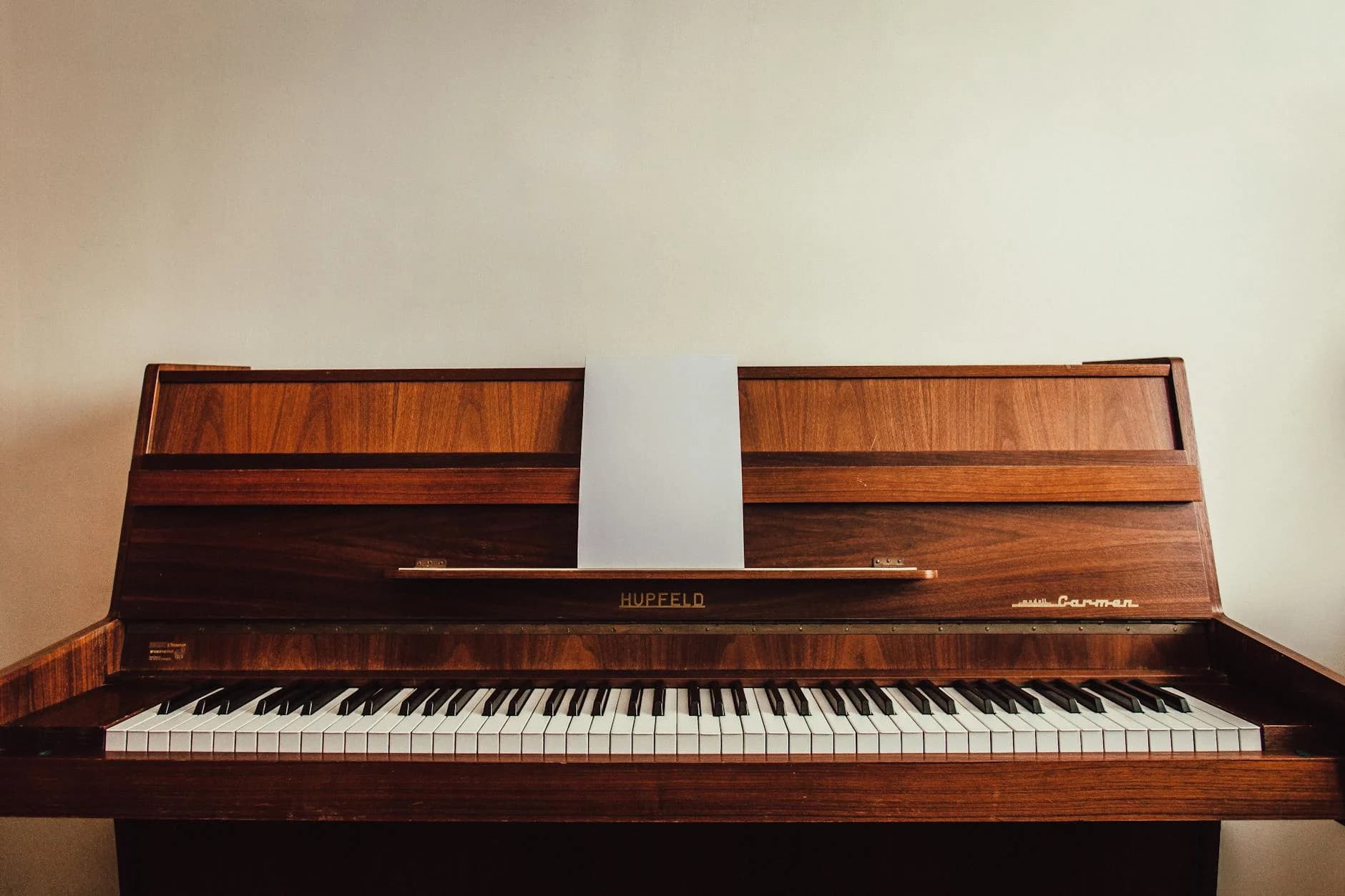

Distance alone doesn't determine whether your piano will go out of tune after a move. A piano moved across the room can go out of tune just as much as one.
# How Far Can You Move a Piano Without Tuning Issues
Distance alone doesn't determine whether your piano will go out of tune after a move. A piano moved across the room can go out of tune just as much as one moved across the state. What matters is the change in environment, the handling during transport, and the time the piano spends in unstable conditions. For Miami piano owners, understanding this can help set realistic expectations for any move, whether it's from Brickell to Coral Gables or from Miami to New York.
Distance vs. Environment: What Really Matters
Many people assume that moving a piano a short distance means it won't need tuning afterward. That's a common misconception. A piano's tuning is affected primarily by changes in humidity and temperature, not by mileage.
If you move your piano from one room in your home to another, and the humidity and temperature in both rooms are identical, the piano may hold its tuning well. But if you move it from an air-conditioned living room in Coconut Grove to a sunroom that runs five degrees warmer with higher humidity, the tuning will shift even though the piano only traveled 30 feet.
Conversely, a piano moved 50 miles from one climate-controlled Miami home to another climate-controlled Miami home, with proper transport in between, may only need minor tuning adjustments.
What Causes Tuning to Shift
Humidity Changes
This is the primary factor. The piano's soundboard, made of spruce, expands when it absorbs moisture and contracts when it dries out. That expansion and contraction changes the pressure on the bridge, which changes string tension, which changes pitch.
In Miami, the humidity swing between a well-air-conditioned home (45-50% humidity) and the outdoor air (75-90% humidity) is dramatic. Every time the piano passes through that outdoor air, even briefly during loading and unloading, the soundboard starts reacting.
Temperature Changes
Temperature affects tuning less directly than humidity, but it still plays a role. Metal strings expand slightly in heat and contract in cold, which shifts pitch. The wooden pin block also expands and contracts with temperature, affecting how firmly it grips the tuning pins.
A piano moving from a 72-degree Miami home into a truck that's been sitting in the sun (easily 100+ degrees in the cargo area) experiences a significant temperature jump. Professional Piano Moving crews minimize this exposure, but it can't be eliminated entirely.
Vibration and Shock
Road vibration during transport doesn't normally cause tuning problems when the piano is properly secured. The tuning pins are set with enough friction to resist the kind of steady, low-level vibration a truck produces on a highway.
However, sharp impacts like hitting a pothole, dropping the piano even a few inches, or bouncing over railroad tracks at speed can jolt tuning pins loose. Proper road route planning and careful driving matter.
Local Moves (Under 30 Miles)
For a local move within the Miami metro area, expect the piano to need tuning afterward. The outdoor exposure during loading and unloading, combined with the different climate conditions in the new home, will cause enough change to affect pitch.
The good news is that local moves involve less time in transit, which means less total environmental exposure. The tuning adjustment after a local move is typically minor if the piano was handled well.
Wait two to three weeks after the move before scheduling the tuner. This gives the piano time to acclimate to the new space.
Regional Moves (30-200 Miles)
Moving from Miami to Fort Lauderdale, West Palm Beach, or Naples adds driving time but doesn't dramatically change the environmental picture. South Florida's climate is fairly consistent across the region.
The additional time in the truck does mean more exposure to heat, especially during summer. A piano moving from Miami to Naples spends about two hours in a truck, which is enough time for the cargo area to heat up significantly.
Tuning after a regional move follows the same timeline: wait two to three weeks, then schedule your tuner.
Long-Distance Moves (200+ Miles)
Moving a piano from Miami to Orlando, Jacksonville, Atlanta, or beyond introduces real environmental changes. North Florida and Georgia have lower humidity, cooler winters, and different seasonal patterns. The piano's wood will adjust to the new climate over weeks, and the tuning will shift more significantly than after a local move.

For cross-country moves (Miami to Denver, for example), the humidity difference can be extreme. Denver's average humidity is around 30%, compared to Miami's indoor 45-50%. The soundboard will contract significantly, dropping pitch and potentially causing the soundboard to crack if the acclimation isn't managed carefully.
After a long-distance move, most piano technicians recommend a settling tune one to two weeks after arrival, followed by a full tuning four to six weeks later once the piano has fully adjusted.
Tips to Minimize Tuning Impact
- 1Keep indoor humidity stable in both the origin and destination homes
- 2Minimize outdoor exposure during loading and unloading
- 3Avoid extreme scheduling: don't move a piano during Miami's hottest afternoon hours
- 4Use climate protection like moisture barriers during transport
- 5Don't tune too early: let the piano acclimate first
Benefits of Professional Piano Moving
Working with experienced Piano Moving specialists provides:
- 1Expertise: Climate-smart transport that minimizes environmental stress on the instrument
- 2Equipment: Moisture barriers, padded wrapping, and secured truck positioning
- 3Insurance: Full coverage for your piano at every distance
- 4Efficiency: Direct routing with minimal stops to reduce transit time
Planning a Piano Move?
Request your free quote today. Read our customer reviews to see why Miami piano owners trust Rapid Panda Movers for moves near and far.